
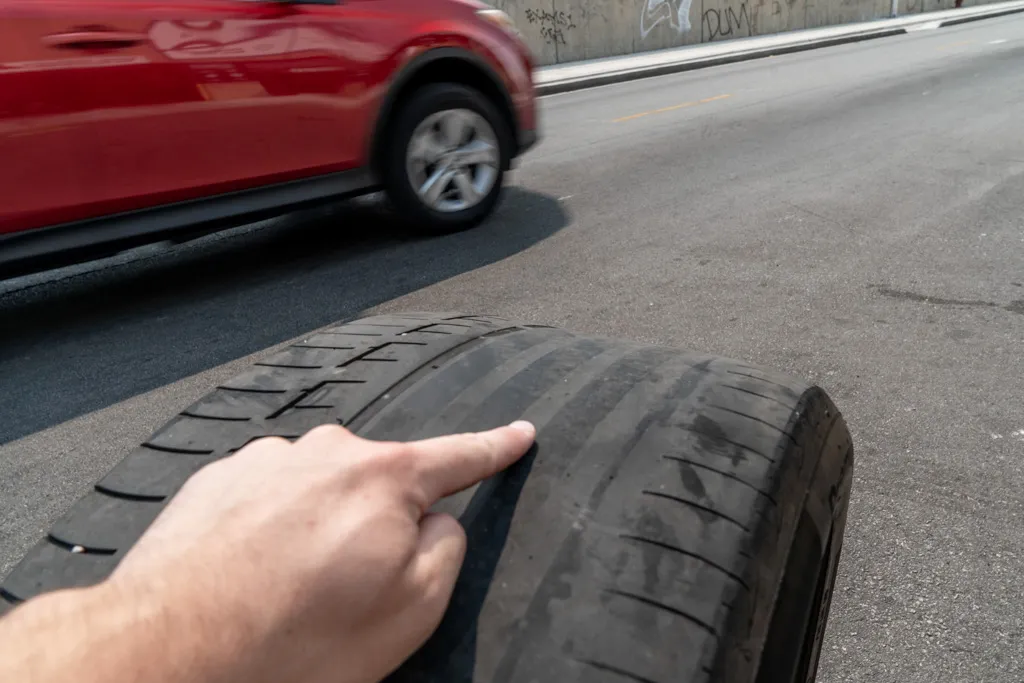
How to Know When Your Tyres Are Worn Out
Your tyres are the only part of your vehicle that actually touch the road—yet they’re often the most overlooked. Many drivers don’t think about their tyres until something goes wrong: a sudden puncture, poor braking, or a scary skid on a wet road. The truth is, worn-out tyres are one of the biggest hidden dangers on the road, and knowing when to replace them can save you money, stress, and even your life.
In this guide, we’ll walk you through how to tell if your tyres are worn out, what signs to watch for, and why taking action early matters. If you’re in Uganda, we’ll also point you to a trusted solution to keep your vehicle safe and road-ready.
Why Worn Tyres Are a Serious Problem
Tyres don’t just help your car move—they play a critical role in braking, handling, and overall safety. When tyres wear down, they lose grip, especially on wet or uneven roads. This increases your stopping distance and makes your car harder to control.
In real-world driving conditions—like sudden rain, potholes, or emergency braking—worn tyres can be the difference between a close call and a serious accident.
1. Check the Tread Depth
The most important indicator of tyre wear is the tread depth. The tread is the patterned part of the tyre that grips the road and channels water away.
How to Check:
- Look at the grooves in your tyre.
- If they appear shallow or smooth, your tyre may be worn out.
- Many tyres have built-in tread wear indicators—small raised bars inside the grooves. If the tread is level with these bars, it’s time to replace the tyre.
Simple Coin Test:
Insert a coin into the tread. If most of the coin is visible, your tread is too shallow.
Why It Matters:
Low tread depth reduces traction, especially on wet roads, increasing the risk of hydroplaning.
2. Look for Cracks and Bulges
Tyres don’t just wear down—they also age and degrade over time.
Signs to Watch For:
- Cracks on the sidewalls
- Bulges or blisters
- Cuts or splits
What This Means:
Cracks can indicate dry rot, while bulges suggest internal damage. Both are serious issues that can lead to sudden tyre failure.
If you notice any of these signs, it’s best to replace the tyre immediately rather than risk a blowout.
3. Uneven Wear Patterns
Take a close look at your tyres. Are they wearing evenly across the surface?
Common Patterns:
- More wear on one side
- Worn center but good edges
- Worn edges but good center
Causes:
- Poor wheel alignment
- Incorrect tyre pressure
- Suspension issues
Why It Matters:
Uneven wear not only shortens tyre life but also affects handling and fuel efficiency.
A professional inspection can help identify the root cause and prevent further damage.
4. Frequent Loss of Air Pressure
If you find yourself constantly inflating your tyres, it could be a sign of wear or damage.
Possible Reasons:
- Small punctures
- Worn-out valve stems
- Cracks in the tyre
Real-World Impact:
Driving on underinflated tyres increases fuel consumption and accelerates wear. It also makes your vehicle less stable, especially at higher speeds.
5. Vibrations While Driving
Some vibration is normal, especially on rough roads. But if you feel unusual or excessive shaking, it could be a tyre issue.
Causes:
- Internal tyre damage
- Uneven wear
- Wheel imbalance
Why You Shouldn’t Ignore It:
Persistent vibration can affect your control of the vehicle and may indicate a deeper problem that needs immediate attention.
6. Reduced Grip and Longer Braking Distance
Have you noticed your car slipping slightly when braking or struggling to grip the road in wet conditions?
This Could Mean:
Your tyres are no longer providing enough traction.
Real-Life Scenario:
Imagine driving in heavy rain and needing to stop suddenly. Worn tyres can significantly increase stopping distance, putting you and others at risk.
7. Tyre Age Matters Too
Even if your tyres look fine, they may still need replacing due to age.
General Rule:
Tyres should be replaced every 5–6 years, regardless of tread wear.
Why:
Rubber compounds break down over time, reducing performance and safety.
You can check the manufacturing date on the tyre sidewall—it’s usually a four-digit code indicating the week and year of production.
8. Increased Fuel Consumption
Worn tyres can actually cost you more money at the fuel pump.
How:
- Reduced efficiency due to poor traction
- Increased rolling resistance
If your fuel costs have gone up without any clear reason, your tyres could be part of the problem.
Why Acting Early Saves You Money
Many drivers delay replacing tyres to save money—but this often leads to bigger expenses later.
Risks of Delaying:
- Higher fuel costs
- Damage to suspension or alignment
- Increased chance of accidents
- Emergency replacements (often more expensive)
Replacing your tyres at the right time is an investment in your safety and your vehicle’s performance.
Where to Get Reliable Tyre Services in Uganda
If you’re unsure about the condition of your tyres, it’s always best to get a professional inspection.
Tyre Express Uganda is a trusted name for drivers who want quality, reliability, and expert advice. Whether you need a tyre check, replacement, or guidance on choosing the right tyres for your vehicle, they offer practical solutions tailored to real-world driving conditions in Uganda.
What Makes Them a Good Choice:
- Wide range of quality tyres
- Expert staff who understand local road conditions
- Honest advice—no unnecessary upselling
- Fast and reliable service
Instead of guessing or taking risks, you can rely on professionals who prioritize your safety.
Final Thoughts
Your tyres are not just another part of your car—they’re your first line of defense on the road. Ignoring the signs of wear can lead to dangerous situations, higher costs, and unnecessary stress.
To recap, watch out for:
- Low tread depth
- Cracks or bulges
- Uneven wear
- Frequent air loss
- Vibrations
- Reduced grip
- Old tyre age
If you notice any of these signs, don’t wait.
Take action early, get your tyres checked, and replace them when needed. And if you’re in Uganda, Tyre Express Uganda is a reliable partner to help keep you safe and confident on every journey.
Safe driving starts where the rubber meets the road.