
Which agricultural tyre to use in bad weather conditions?
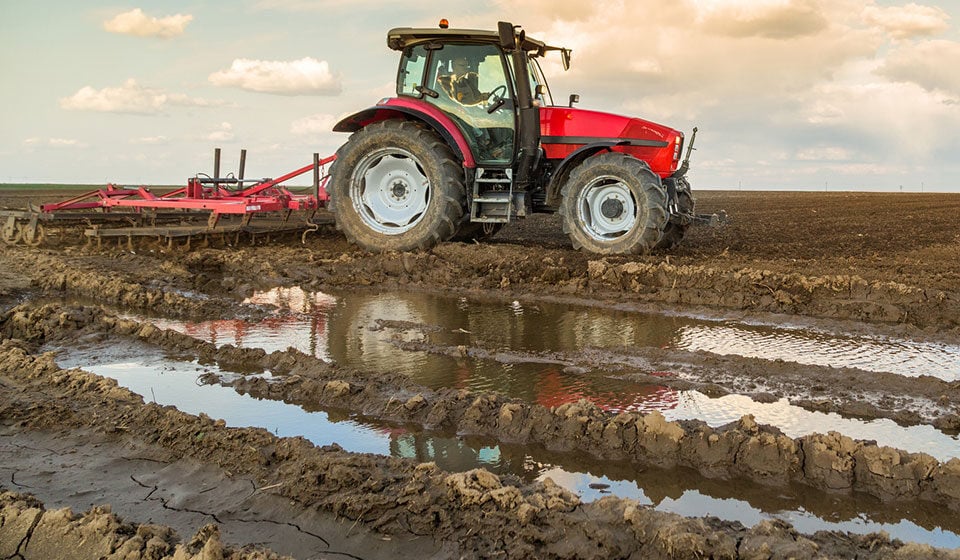
Farming isn’t just about hard work and dedication — it’s also about having the right equipment. One of the most important tools for any farmer is the tyre on their tractor or agricultural machinery. But when the weather turns bad — think heavy rains, muddy fields, or even unexpected frost — not all agricultural tyres perform the same. Choosing the right agriculture tyre in Kampala can make a huge difference in your farming efficiency and safety.
In this blog, we’ll explore how to pick the best agricultural tyres for bad weather conditions, what features to look for, and why buying from Tyre Express Uganda is a smart choice.
Why Choosing the Right Agricultural Tyre Matters in Bad Weather
Bad weather means challenging terrain. Rain-soaked fields become slippery and muddy, making it difficult for machinery to move without getting stuck or damaging the crops. The right tyre helps:
- Improve traction on slippery surfaces
- Prevent soil compaction which affects crop growth
- Reduce downtime caused by getting stuck
- Enhance fuel efficiency by ensuring smooth movement
So, using the wrong tyre can lead to wasted time, higher fuel costs, and potential damage to both your machinery and land.
What Types of Agricultural Tyres Are Best for Bad Weather?
Here are the main types of agricultural tyres and how they perform in tough weather:
1. R-1 (Agricultural / Standard Lug Tyres)
- Description: These are the classic tractor tyres with deep, angled lugs (tread patterns).
- Best for: Heavy-duty field work in mud and soft soil.
- Pros: Excellent traction in wet, muddy conditions thanks to the deep lugs. They dig into the soil, providing grip.
- Cons: Can cause more soil disturbance and compaction. Not ideal for hard surfaces.
2. R-1W (Wet Traction Tyres)
- Description: Similar to R-1 but with even deeper, wider lugs.
- Best for: Extremely wet and muddy conditions.
- Pros: Superior grip in wet weather, reducing the chance of slipping. Great for rice paddies, swampy areas, and flood-prone fields.
- Cons: Higher cost, and less effective on hard or dry surfaces.
3. R-2 (Rice Tyres)
- Description: Designed specifically for wet rice fields with extra-wide treads to reduce soil compaction.
- Best for: Very soft, flooded, or swampy soil conditions.
- Pros: Minimizes damage to delicate wet fields. Prevents machinery from sinking.
- Cons: Limited versatility outside wet fields, often expensive.
4. R-3 (Industrial Tyres)
- Description: Used mostly for industrial purposes with hard surfaces.
- Best for: Roads and dry hard grounds, not ideal for muddy or wet fields.
- Not recommended for bad weather farming.
Key Features to Look for in Agricultural Tyres for Bad Weather
When selecting the right tyre, consider these features:
Deep Tread Pattern
Deeper lugs offer better grip in muddy or slippery conditions. Look for tyres with at least 10–12 mm lug depth for wet soil.
Wide Tyre Footprint
A wider tyre spreads the weight better and reduces soil compaction and sinking.
Durable Sidewalls
Bad weather often means uneven terrain. Strong sidewalls help prevent punctures and tyre damage.
Self-Cleaning Tread
Tyres that shed mud as they rotate prevent clogging, maintaining grip even in sticky conditions.
Tips for Maintaining Your Agricultural Tyres in Bad Weather
- Check Tyre Pressure: Low pressure can increase grip but also risks tyre damage. Find the ideal pressure recommended by the manufacturer.
- Regular Cleaning: Mud and debris can reduce traction; clean tyres regularly to maintain performance.
- Rotate Tyres: If you have multiple tyres, rotate to ensure even wear and longer life.
- Inspect for Damage: After working in harsh weather, check for cuts or punctures.
Why Buy Your Agricultural Tyres in Kampala from Tyre Express Uganda?
If you’re looking for reliable agriculture tyres in Kampala, Tyre Express Uganda offers top-quality products suited for all weather conditions. Here’s why they are the go-to supplier:
- Wide Range: From R-1 to R-1W and speciality tyres, they stock the best brands.
- Expert Advice: Their team helps you pick the perfect tyre for your specific farming needs and weather challenges.
- Competitive Prices: Get value for money without compromising quality.
- Fast Delivery: Convenient service to get your tyres when you need them.
- After-Sales Support: Guidance on installation and maintenance.
Frequently Asked Questions (FAQ)
What tyre type is best for muddy fields in Kampala?
The R-1W tyres are the best for muddy fields due to their deeper, wider lugs that provide superior traction in wet conditions.
Can I use the same agricultural tyre for both dry and wet conditions?
While some tyres are versatile, it’s best to use tyres designed specifically for the dominant conditions on your farm to maximize efficiency and protect your land.
How often should I replace my agricultural tyres?
It depends on usage and terrain, but generally, inspect tyres regularly and replace when tread depth drops below 50% or when there’s visible damage.
Does Tyre Express Uganda offer installation services?
Yes, Tyre Express Uganda provides expert installation services to ensure your tyres are fitted correctly for optimal performance.
Final Thoughts
Bad weather conditions don’t have to slow down your farming operations. Choosing the right agriculture tyre in Kampala designed for wet, muddy, or challenging terrain can keep you moving efficiently and protect both your land and machinery.
Remember, investing in quality tyres pays off in durability, safety, and productivity. Contact or buy from Tyre Express Uganda today to get the best agricultural tyres tailored to your needs.
If you want expert advice and high-quality agricultural tyres for bad weather, visit Tyre Express Uganda and talk to their specialists now!Farming isn’t just about hard work and dedication — it’s also about having the right equipment. One of the most important tools for any farmer is the tyre on their tractor or agricultural machinery. But when the weather turns bad — think heavy rains, muddy fields, or even unexpected frost — not all agricultural tyres perform the same. Choosing the right agriculture tyre in Kampala can make a huge difference in your farming efficiency and safety.
In this blog, we’ll explore how to pick the best agricultural tyres for bad weather conditions, what features to look for, and why buying from Tyre Express Uganda is a smart choice.
Why Choosing the Right Agricultural Tyre Matters in Bad Weather
Bad weather means challenging terrain. Rain-soaked fields become slippery and muddy, making it difficult for machinery to move without getting stuck or damaging the crops. The right tyre helps:
- Improve traction on slippery surfaces
- Prevent soil compaction which affects crop growth
- Reduce downtime caused by getting stuck
- Enhance fuel efficiency by ensuring smooth movement
So, using the wrong tyre can lead to wasted time, higher fuel costs, and potential damage to both your machinery and land.
What Types of Agricultural Tyres Are Best for Bad Weather?
Here are the main types of agricultural tyres and how they perform in tough weather:
1. R-1 (Agricultural / Standard Lug Tyres)
- Description: These are the classic tractor tyres with deep, angled lugs (tread patterns).
- Best for: Heavy-duty field work in mud and soft soil.
- Pros: Excellent traction in wet, muddy conditions thanks to the deep lugs. They dig into the soil, providing grip.
- Cons: Can cause more soil disturbance and compaction. Not ideal for hard surfaces.
2. R-1W (Wet Traction Tyres)
- Description: Similar to R-1 but with even deeper, wider lugs.
- Best for: Extremely wet and muddy conditions.
- Pros: Superior grip in wet weather, reducing the chance of slipping. Great for rice paddies, swampy areas, and flood-prone fields.
- Cons: Higher cost, and less effective on hard or dry surfaces.
3. R-2 (Rice Tyres)
- Description: Designed specifically for wet rice fields with extra-wide treads to reduce soil compaction.
- Best for: Very soft, flooded, or swampy soil conditions.
- Pros: Minimizes damage to delicate wet fields. Prevents machinery from sinking.
- Cons: Limited versatility outside wet fields, often expensive.
4. R-3 (Industrial Tyres)
- Description: Used mostly for industrial purposes with hard surfaces.
- Best for: Roads and dry hard grounds, not ideal for muddy or wet fields.
- Not recommended for bad weather farming.
Key Features to Look for in Agricultural Tyres for Bad Weather
When selecting the right tyre, consider these features:
Deep Tread Pattern
Deeper lugs offer better grip in muddy or slippery conditions. Look for tyres with at least 10–12 mm lug depth for wet soil.
Wide Tyre Footprint
A wider tyre spreads the weight better and reduces soil compaction and sinking.
Durable Sidewalls
Bad weather often means uneven terrain. Strong sidewalls help prevent punctures and tyre damage.
Self-Cleaning Tread
Tyres that shed mud as they rotate prevent clogging, maintaining grip even in sticky conditions.
Tips for Maintaining Your Agricultural Tyres in Bad Weather
- Check Tyre Pressure: Low pressure can increase grip but also risks tyre damage. Find the ideal pressure recommended by the manufacturer.
- Regular Cleaning: Mud and debris can reduce traction; clean tyres regularly to maintain performance.
- Rotate Tyres: If you have multiple tyres, rotate to ensure even wear and longer life.
- Inspect for Damage: After working in harsh weather, check for cuts or punctures.
Why Buy Your Agricultural Tyres in Kampala from Tyre Express Uganda?
If you’re looking for reliable agriculture tyres in Kampala, Tyre Express Uganda offers top-quality products suited for all weather conditions. Here’s why they are the go-to supplier:
- Wide Range: From R-1 to R-1W and speciality tyres, they stock the best brands.
- Expert Advice: Their team helps you pick the perfect tyre for your specific farming needs and weather challenges.
- Competitive Prices: Get value for money without compromising quality.
- Fast Delivery: Convenient service to get your tyres when you need them.
- After-Sales Support: Guidance on installation and maintenance.
Frequently Asked Questions (FAQ)
What tyre type is best for muddy fields in Kampala?
The R-1W tyres are the best for muddy fields due to their deeper, wider lugs that provide superior traction in wet conditions.
Can I use the same agricultural tyre for both dry and wet conditions?
While some tyres are versatile, it’s best to use tyres designed specifically for the dominant conditions on your farm to maximize efficiency and protect your land.
How often should I replace my agricultural tyres?
It depends on usage and terrain, but generally, inspect tyres regularly and replace when tread depth drops below 50% or when there’s visible damage.
Does Tyre Express Uganda offer installation services?
Yes, Tyre Express Uganda provides expert installation services to ensure your tyres are fitted correctly for optimal performance.
Final Thoughts
Bad weather conditions don’t have to slow down your farming operations. Choosing the right agriculture tyre in Kampala designed for wet, muddy, or challenging terrain can keep you moving efficiently and protect both your land and machinery.
Remember, investing in quality tyres pays off in durability, safety, and productivity. Contact or buy from Tyre Express Uganda today to get the best agricultural tyres tailored to your needs.
If you want expert advice and high-quality agricultural tyres for bad weather, visit Tyre Express Uganda and talk to their specialists now!