
How Uganda’s Sun and Rainy Seasons Quietly Wear Out Your Tyres
Most drivers in Uganda think about weather and tyres only in terms of grip during the rains. But the sun plays just as big a role in how long your tyres last — just more slowly and less obviously. Between the intense equatorial sun for most of the year and two distinct rainy seasons, Ugandan tyres age differently than tyres in cooler climates, and understanding this can help you catch problems before they become dangerous.
1. Constant Heat Ages Rubber Faster Than Mileage Does
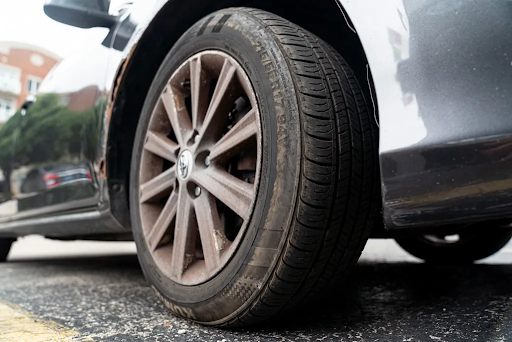
Tyre rubber is a compound that hardens and becomes brittle over time, a process accelerated by heat and UV exposure. In Uganda’s climate, a tyre that’s parked outdoors in direct sun for long periods — think fleet vehicles, boda-boda taxis, or cars left in open compounds — can show surface cracking (often called weather-checking) years before the tread itself wears out. This means a tyre can look like it has plenty of tread left while actually being unsafe due to age-related hardening.
A simple habit: check the manufacture date on the sidewall (a 4-digit code, e.g. 2321 means the 23rd week of 2021) alongside tread depth. Tyres over 5–6 years old deserve a closer inspection even if tread looks acceptable, especially for vehicles that spend a lot of time parked in direct sun.
2. Midday Heat Changes Your Tyre Pressure Without You Touching It
Air expands as it heats up. On a hot Kampala afternoon, tarmac temperature can be significantly higher than air temperature, and this heats the air inside your tyres, increasing pressure readings compared to a cool morning check. This is why tyre pressure should always be checked when tyres are ‘cold’ — first thing in the morning or after the car has been parked for a few hours — rather than after driving in midday heat, which will give an artificially high reading and lead to under-inflation once the tyre cools down again.
3. The Rainy Season Doesn’t Just Affect Grip — It Reveals Existing Wear
Heavy rain in Uganda, typically peaking around March–May and September–November, is when marginal tyres suddenly become dangerous. A tyre with tread depth close to the legal minimum may grip acceptably on dry tarmac but lose traction dramatically in standing water — a phenomenon called hydroplaning, where the tyre rides on a film of water instead of touching the road. The tyres most at risk are usually ones that have already been quietly wearing down all through the dry season without the driver noticing, because dry-road grip masks the problem.
This is why it makes sense to check tread depth before the rains start, not during them — by the time you notice reduced grip in wet conditions, the tyre is already at a point where stopping distances are meaningfully longer.
4. Flooded Roads Can Damage Tyres and Wheels, Not Just Reduce Grip
Beyond grip, driving through flooded sections — common on parts of Kampala’s lower-lying roads after heavy downpours — carries a hidden risk: submerged potholes, debris, and even open drainage edges are impossible to judge from the surface. A sidewall cut or bent rim from an unseen hazard under floodwater is one of the more common ‘mystery’ tyre failures reported right after a heavy storm.
5. Seasonal Switching Between Dry and Wet Driving Habits Matters
Because Uganda doesn’t have a true winter/summer tyre distinction like colder countries, many drivers use the same tyres and driving habits year-round. The adjustment that actually matters here is behavioural: slowing down earlier for braking in the rains, increasing following distance, and being more deliberate about checking tread and pressure as the rainy season approaches, since Ugandan roads shift quickly from dusty and dry to wet and slick within days.
A Simple Seasonal Tyre Checklist
- Check tread depth and overall tyre condition before each rainy season begins (roughly February and August).
- Always check tyre pressure when tyres are cold, ideally in the morning before driving.
- Inspect sidewalls for cracking or weather-checking if vehicles are regularly parked outdoors in direct sun.
- Note the manufacture date on the sidewall and treat tyres older than 5–6 years with extra caution, regardless of tread depth.
- Slow down through flooded or waterlogged sections — you cannot judge depth or hazards underneath standing water.
- Have tyres and wheels inspected after driving through any significant flood, even if there’s no visible damage.
Getting a Professional Check Before the Rains
A quick inspection can tell you whether your current tyres will genuinely hold up through Uganda’s next rainy season, or whether it’s safer to plan for replacement now rather than during the first heavy storm. At Tyre Express Uganda, our team checks tread depth, sidewall condition, and manufacture date as part of every service, and can talk you through honest options for your specific vehicle and driving pattern. Visit our Jinja Road, Bombo Road, or Dunlop Zone outlets in Kampala, or request a quote online.
Frequently Asked Questions
Q: Can a tyre be dangerous even if it still has good tread depth?
A: Yes. Heat and UV exposure over several years can harden and crack rubber from the inside out, a process separate from tread wear. This is why checking the tyre’s manufacture date, not just tread depth, matters in Uganda’s climate.
Q: Why does my tyre pressure warning light come on more in hot weather?
A: Air pressure rises as the air inside the tyre heats up, which can occasionally trigger sensors, but more importantly it means a pressure check done in midday heat is not reliable. Always check pressure when tyres are cold for an accurate reading.
Q: When should I check my tyres before the rainy season starts?
A: Ideally a few weeks before the rains typically begin, around late January to February and July to August in Uganda, giving enough time to replace any tyre that’s borderline before wet-road conditions make the risk more serious.
Q: Is it safe to drive through a flooded road if the water looks shallow?
A: Not necessarily. Floodwater hides potholes, debris, and drainage edges that can cut a sidewall or bend a rim. It’s safer to slow down significantly or find an alternative route rather than judge depth by eye.
Q: How do I know how old my tyre is?
A: Look for a 4-digit code on the sidewall, usually inside an oval shape, ending in the tyre’s DOT identification. The first two digits are the week of manufacture and the last two are the year — for example, 2321 means the tyre was made in the 23rd week of 2021.